How to Choose the Right Window Blinds for Your Home
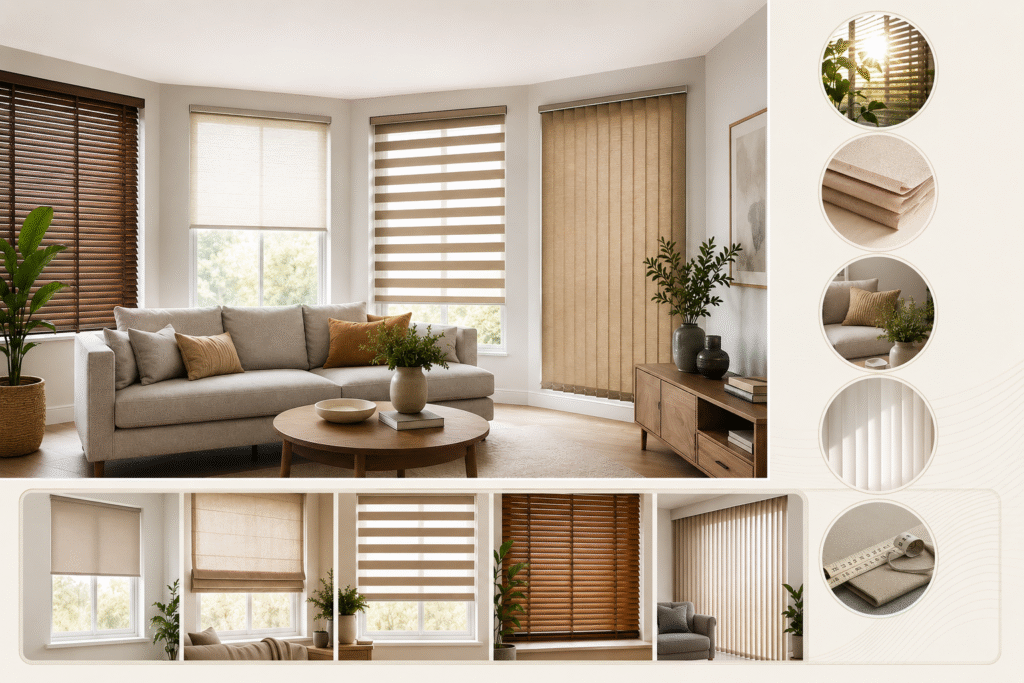
Choosing the right window covering can completely change the look and comfort of a room. The right Window Blinds can control sunlight, improve privacy, complement your interiors, and create a more comfortable atmosphere.
However, choosing blinds is not simply about selecting a colour or pattern. Different rooms have different requirements. A bedroom may need better privacy and light control, while a living room may require a balance between natural light and aesthetics.
With so many styles, materials, colours, and operating options available, it is important to understand what works best for your home.
This guide explains the important factors to consider before choosing Window Blinds for different rooms and interior styles.
Why Window Blinds Are Important for Your Home
Windows have a major influence on the overall comfort of a home. Excess sunlight can create glare, increase indoor heat, and affect furniture and flooring over time.
Well-selected Window Blinds can help manage the amount of light entering a room while also providing privacy.
They can also become an important part of your interior design.
Depending on the style, blinds can create:
- A clean modern appearance
- A warm and comfortable atmosphere
- Better privacy
- Flexible light control
- A coordinated interior look
- A more organized appearance around windows
The key is choosing blinds according to both functionality and design.
Consider the Purpose of the Room
Before selecting Window Blinds, think about how the room is used.
Living Room
Living rooms usually benefit from blinds that allow natural light while reducing glare. Roller, Roman, zebra, or other light-filtering options can work depending on the interior style.
Bedroom
Bedrooms generally require more privacy and better control over early morning or outside light. Blackout or room-darkening solutions may be suitable where stronger light control is needed.
Home Office
For a home office, glare control is particularly important because direct sunlight can make computer screens difficult to view.
Kitchen
Kitchen window treatments should be practical and easy to clean. Materials that can handle regular exposure to moisture, dust, and cooking conditions are worth considering.
Choosing Window Blinds based on the purpose of each room makes the final result more practical.
Decide How Much Light You Need
Light control is one of the most important factors when choosing blinds.
Ask yourself:
Do I want the room to remain bright during the day?
Or:
Do I want to block most of the incoming sunlight?
Light-filtering blinds allow daylight to enter while reducing glare and direct brightness.
Room-darkening or blackout options provide stronger light control and may be preferred for bedrooms, media rooms, or spaces where sunlight needs to be minimized.
For homes in warmer climates, choosing suitable window treatments can also help manage heat and glare.
Think About Privacy
Privacy requirements vary from room to room.
Bedrooms and bathrooms usually require stronger privacy than living rooms.
For apartments located close to neighbouring buildings, privacy may be particularly important.
When choosing Window Blinds, consider whether you need:
- Daytime privacy
- Night-time privacy
- Partial visibility
- Complete privacy
- Adjustable privacy
Zebra-style blinds, roller blinds, Roman blinds, and other options can provide different levels of privacy depending on their fabric and construction.
The right choice should provide privacy without unnecessarily making the room dark.
Choose the Right Material
The material of your blinds affects appearance, durability, cleaning, and overall maintenance.
Common choices include:
Fabric
Fabric blinds can create a soft and elegant appearance and are available in different colours and textures.
Wood
Wooden blinds add warmth and work particularly well with natural or classic interiors. They should be selected according to the room’s environmental conditions and maintenance requirements.
PVC or Synthetic Materials
These can be practical where easy cleaning and moisture resistance are priorities.
Aluminium
Aluminium blinds provide a clean, contemporary appearance and can be useful in modern interiors.
When selecting Window Blinds, always consider where they will be installed and how much maintenance you are comfortable with.
Match Blinds With Your Interior Style
Your blinds should complement the overall interior rather than looking like a separate addition.
For minimalist interiors, simple roller blinds in neutral shades can create a clean appearance.
For classic interiors, Roman or wooden blinds can add warmth and texture.
For contemporary homes, sleek roller, zebra, or layered window treatments can work well.
Colour also matters.
Neutral shades such as:
- White
- Beige
- Cream
- Grey
- Natural wood tones
can blend easily with many interior styles.
For a stronger design statement, you can choose a contrasting colour or textured finish.
Measure Your Windows Correctly
Even the most beautiful Window Blinds will not look right if they are incorrectly measured.
Before ordering, determine whether you want an inside mount or outside mount.
For an inside mount, accurate measurements of the window recess are important.
For an outside mount, the blind generally extends beyond the window opening, which can help with light control and visual coverage.
Measure carefully and follow the manufacturer’s measurement requirements.
For unusually shaped or sized windows, customized solutions may be worth considering.
Consider Maintenance and Cleaning
Different blinds require different levels of maintenance.
Before choosing Window Blinds, think about how frequently you can clean them.
Smooth surfaces can generally be easier to dust and wipe.
Fabric options may require more careful cleaning depending on the material.
If you have children or pets, practical and easy-to-maintain options may be preferable.
Choosing a beautiful design is important, but it should also fit your everyday lifestyle.
Think About Hyderabad's Climate
Homes in Hyderabad can experience strong sunlight, heat, dust, and seasonal weather changes.
This makes sunlight management and material selection particularly important.
When choosing Window Blinds, consider:
- Direct sunlight exposure
- Heat and glare
- Dust accumulation
- Cleaning requirements
- Room orientation
- Window size
- Fabric durability
Solar-style blinds can be worth considering in rooms where glare and strong sunlight are major concerns.
The right window treatment can make a room feel more comfortable while complementing the overall interior design.
Manual or Motorized Blinds?
Operating style is another factor to consider.
Traditional blinds use manual controls and can be a practical choice for standard windows.
Motorized Window Blinds can provide additional convenience, especially for large windows, difficult-to-reach windows, or smart-home setups.
Motorized systems may also allow scheduled opening and closing, depending on the system selected.
However, automation generally increases the overall project cost.
Choose the operating mechanism according to your budget, window accessibility, and lifestyle.
Custom Window Blinds for Unique Windows
Not every home has standard-sized windows.
Large windows, unusually shaped openings, bay windows, or windows with specific design requirements may benefit from customized solutions.
Custom Window Blinds can be planned around the actual window dimensions and the interior design.
Customization can help coordinate:
- Size
- Colour
- Fabric
- Texture
- Mounting style
- Operating mechanism
This creates a more cohesive appearance than selecting a ready-made product that does not fit the space properly.
Popular Types of Window Blinds
There are several styles to consider.
Roller Blinds
Simple and versatile, roller blinds work well in modern interiors.
Roman Blinds
Roman blinds add softness and an elegant fabric appearance.
Zebra Blinds
Zebra blinds offer adjustable light and privacy through alternating fabric sections.
Wooden Blinds
Wooden blinds provide a natural, warm appearance and can complement classic or contemporary interiors.
Vertical Blinds
Vertical blinds can be useful for wide windows and large glass openings.
Solar Blinds
Solar blinds are designed to help manage glare and sunlight while maintaining some outward visibility, depending on the fabric selected.
The best option depends on the window, room, design, and functional requirements.
Common Mistakes to Avoid
Avoid choosing Window Blinds only because they look attractive in a catalogue or online photograph.
Common mistakes include:
- Ignoring accurate measurements
- Choosing unsuitable materials
- Overlooking privacy requirements
- Selecting blinds without considering sunlight
- Using colours that conflict with the interior
- Ignoring cleaning requirements
- Choosing oversized or unsuitable operating systems
- Focusing only on price
A well-planned window treatment should balance appearance, privacy, light control, durability, and convenience.
How Swarga Makeovers Can Help
At Swarga Makeovers, window treatments can be considered as part of the overall interior design process.
Instead of looking at blinds separately, the design can take into account the room’s colour palette, furniture, lighting, window dimensions, privacy requirements, and overall aesthetic.
Whether you prefer a clean contemporary appearance or a warmer classic style, selecting the right window treatment can help create a more coordinated interior.
For customized interior solutions in Hyderabad, thoughtful planning is essential to ensure that every element works together.
Conclusion
Choosing the right Window Blinds is about much more than covering a window.
The right option can improve privacy, manage sunlight, reduce glare, complement your interior style, and make everyday living more comfortable.
Before making a decision, consider the room’s purpose, window size, sunlight exposure, privacy requirements, material, maintenance, operating mechanism, and budget.
For Hyderabad homes, it is also important to consider strong sunlight, heat, dust, and seasonal conditions.
Most importantly, choose a design that works with your lifestyle and the overall character of your home.
A thoughtfully selected window treatment can be a small design decision that makes a noticeable difference to the entire room
Frequently Asked Questions
1. Which Window Blinds are best for a living room?
Light-filtering roller, Roman, zebra, or similar blinds can work well depending on the amount of sunlight, privacy, and interior style required.
2. Are Window Blinds suitable for bedrooms?
Yes. Bedrooms can benefit from blinds that provide good privacy and stronger light control, including room-darkening or blackout options.
3. How do I choose the right colour for my blinds?
Choose a colour that complements your walls, furniture, flooring, and overall interior palette. Neutral shades are generally versatile.
4. Are custom Window Blinds worth considering?
Custom blinds can be useful for unusually sized or shaped windows because they can be designed around the actual dimensions and requirements of the space.
5. What should I consider before buying Window Blinds?
Consider sunlight, privacy, room purpose, material, maintenance, measurements, operating mechanism, interior style, and budget.
6. Are motorized Window Blinds useful?
They can be particularly convenient for large or difficult-to-reach windows and can be integrated into some smart-home systems.
7. Can Window Blinds help with strong sunlight?
Yes. Depending on the material and fabric, blinds can reduce glare and control the amount of direct sunlight entering a room.